IEEE Women in Engineering (WIE) Uruguay
Gender in STEM
Understanding Inequalities to Transform STEM Environments
An interdisciplinary panel on gender inequalities in science, technology, engineering, and mathematics, open to audience participation.
- 08:50 – 09:40Montevideo time
- Sala Mario Benedetti, ANTEL Tower
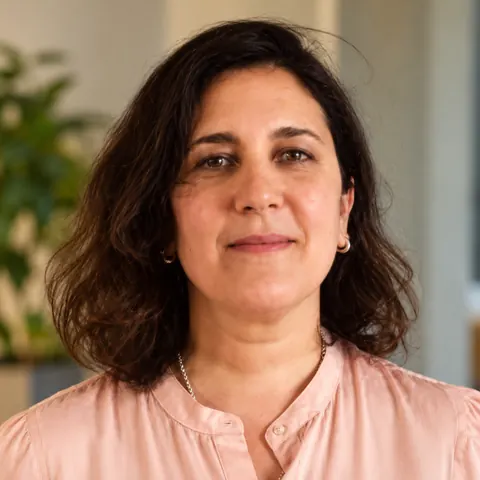
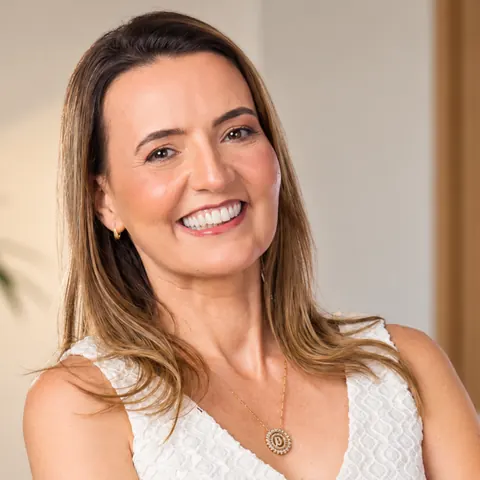

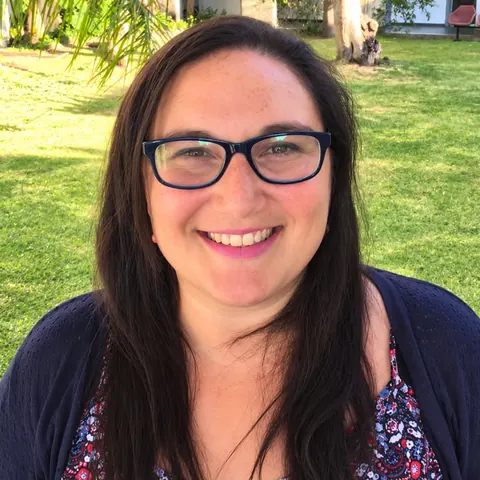
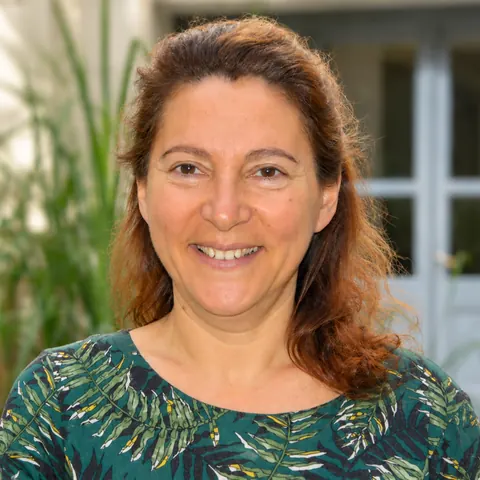
An interdisciplinary space for reflection and discussion
This activity aims to foster an interdisciplinary space for reflection and discussion on gender inequalities in Science, Technology, Engineering, and Mathematics (STEM), exploring the social, cultural, and institutional factors that contribute to their development and persistence.
- Format
- Panel discussion with active audience participation
- Duration
- 50 minutes
- Organized by
- IEEE Women in Engineering (WIE) Uruguay
What the panel will address
Through a panel discussion bringing together perspectives from the social sciences, gender studies, and professional experiences in STEM fields, topics such as gender stereotypes, masculinities, biases, the importance of female role models, and the dynamics influencing participation, retention, and professional development will be addressed.
- Gender stereotypes
- Masculinities
- Biases
- Female role models
The dynamics influencing
- Participation
- Retention
- Professional development
Meet our panelists
Our panel brings together professionals from diverse academic and professional backgrounds to explore gender inequalities in STEM from complementary perspectives.
Drawing on expertise in social sciences, gender studies, science, technology, and engineering, our panelists will share insights and experiences to encourage meaningful dialogue on the challenges and opportunities for building more inclusive and equitable STEM environments.
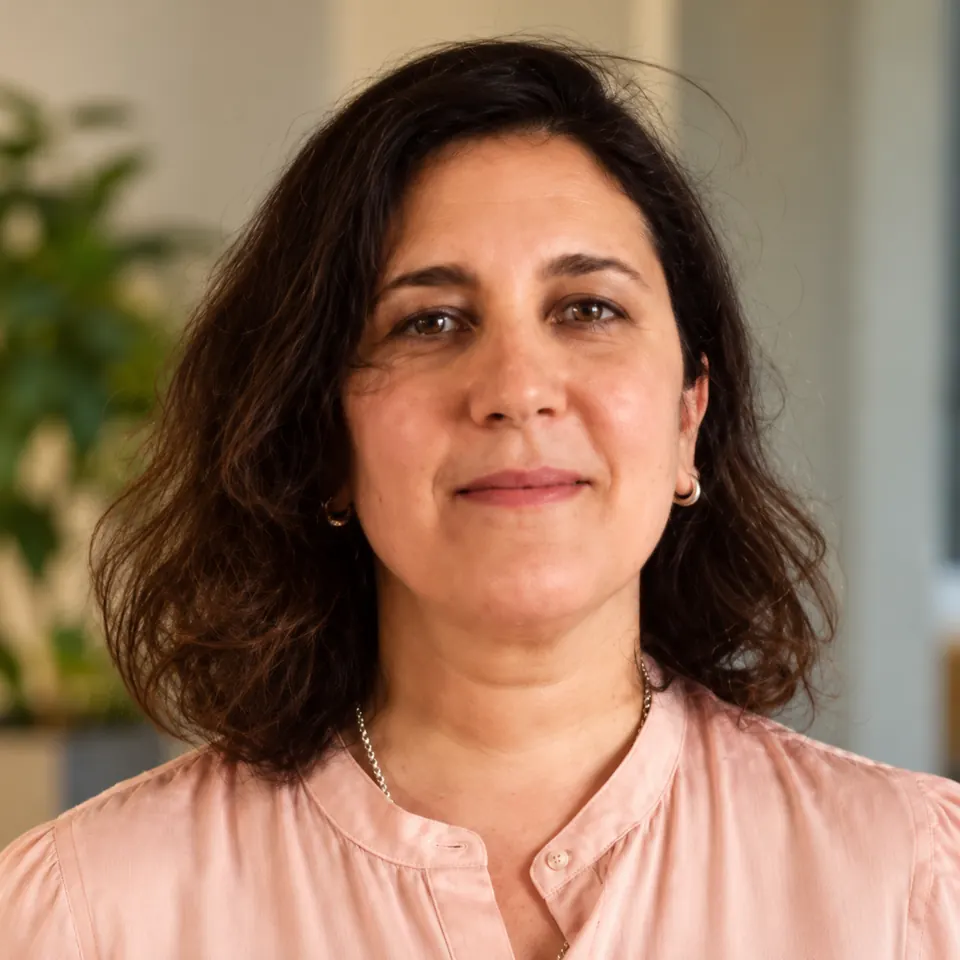
Social sciences and gender studies
María Goñi
Sociology
Universidad de la RepúblicaCSIC
Sociologist with a Master’s degree in Science, Technology and Society and a PhD in Social Sciences. She is a Level I researcher in Uruguay’s National System of Researchers (SNI) and a faculty member at Universidad de la República (Udelar), affiliated with the Sectoral Commission for Scientific Research (CSIC) and the Center for Interdisciplinary Feminist Studies (CEIFem). She currently coordinates Udelar’s Gender Equality Observatory. With over 15 years of experience in research and gender equality initiatives, her work focuses on gender inequalities in science and technology, academic careers, and institutional policies.
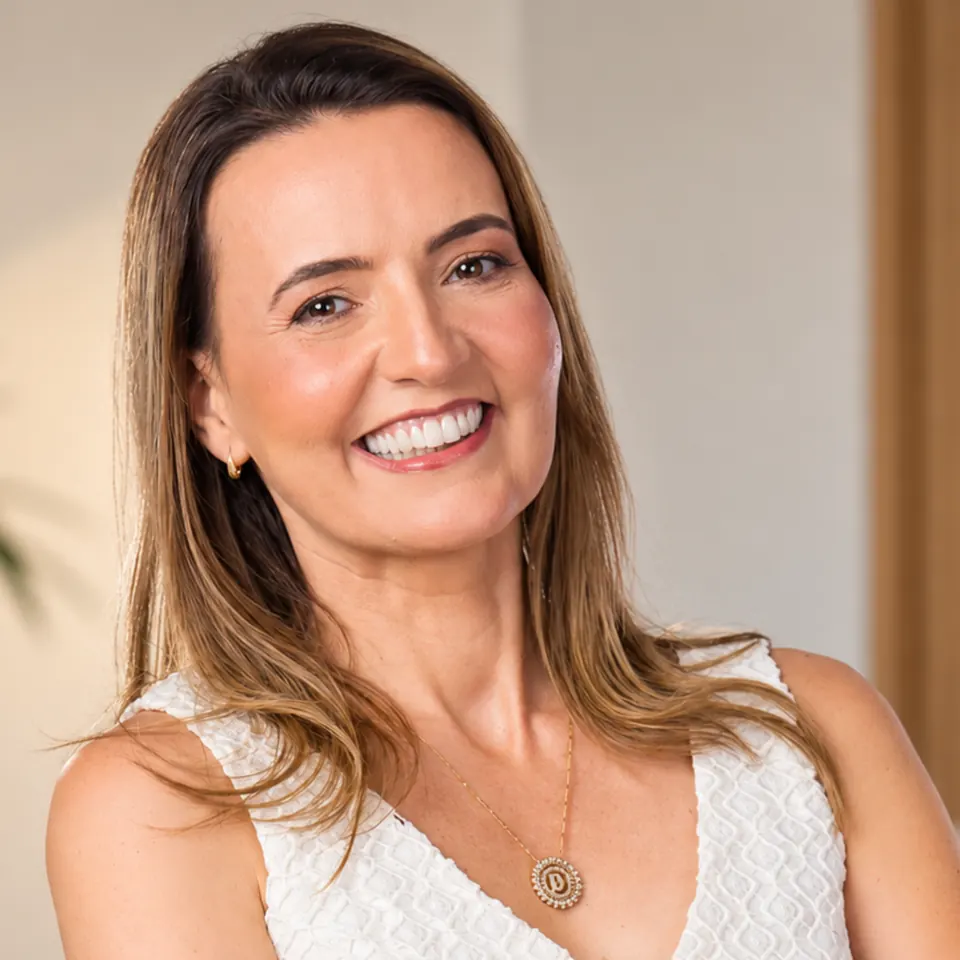
Science, technology, and engineering
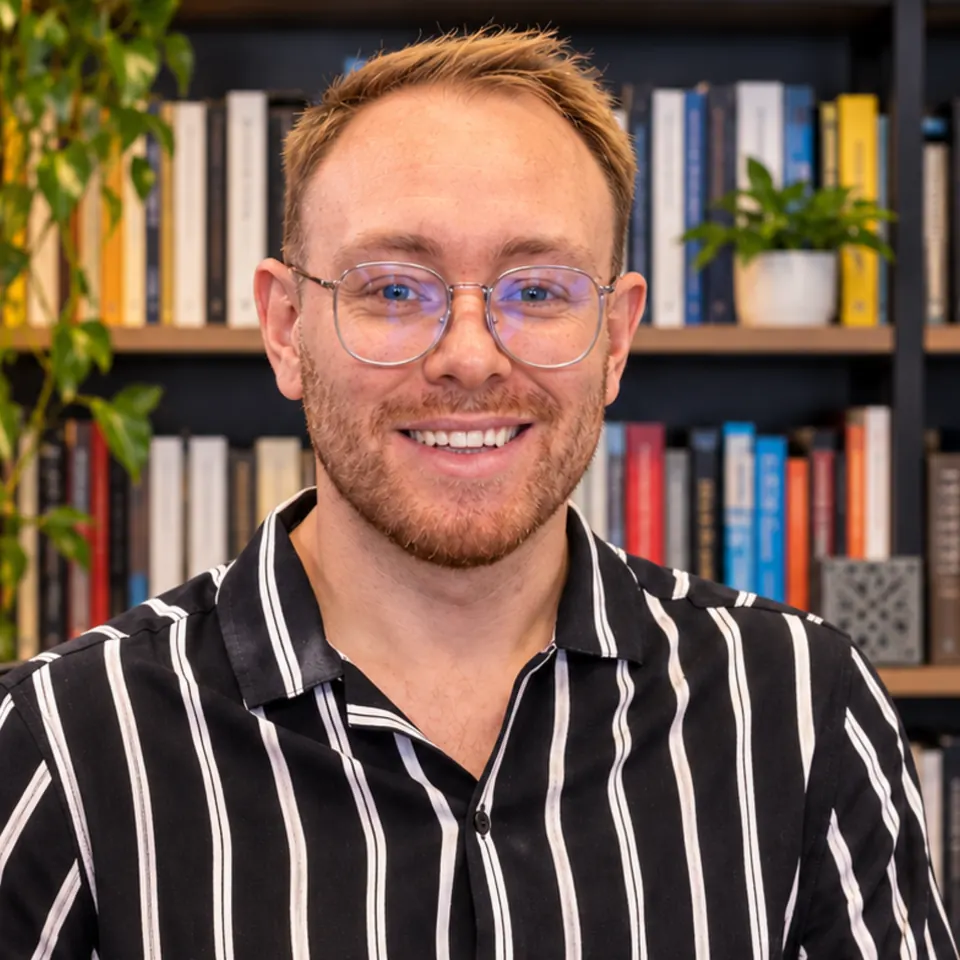
Danielle Delgado
Electrical engineering and law
IEEE Women in Engineering (WIE)
Electrical engineer and lawyer with a Master’s degree in Renewable Energy and a PhD in Mechanical Engineering. She has over 10 years of experience in the electrical and petrochemical industries and is a professor and researcher at the Federal Institute of Bahia (IFBA), Brazil. An IEEE Senior Member, she currently serves on the IEEE Women in Engineering Global Executive Committee (2026–2028) and previously chaired IEEE WIE Region 9 (2024–2025). Since 2018, she has actively promoted gender equity, women’s leadership, and greater participation of women in engineering and technology.
Social sciences and gender studies
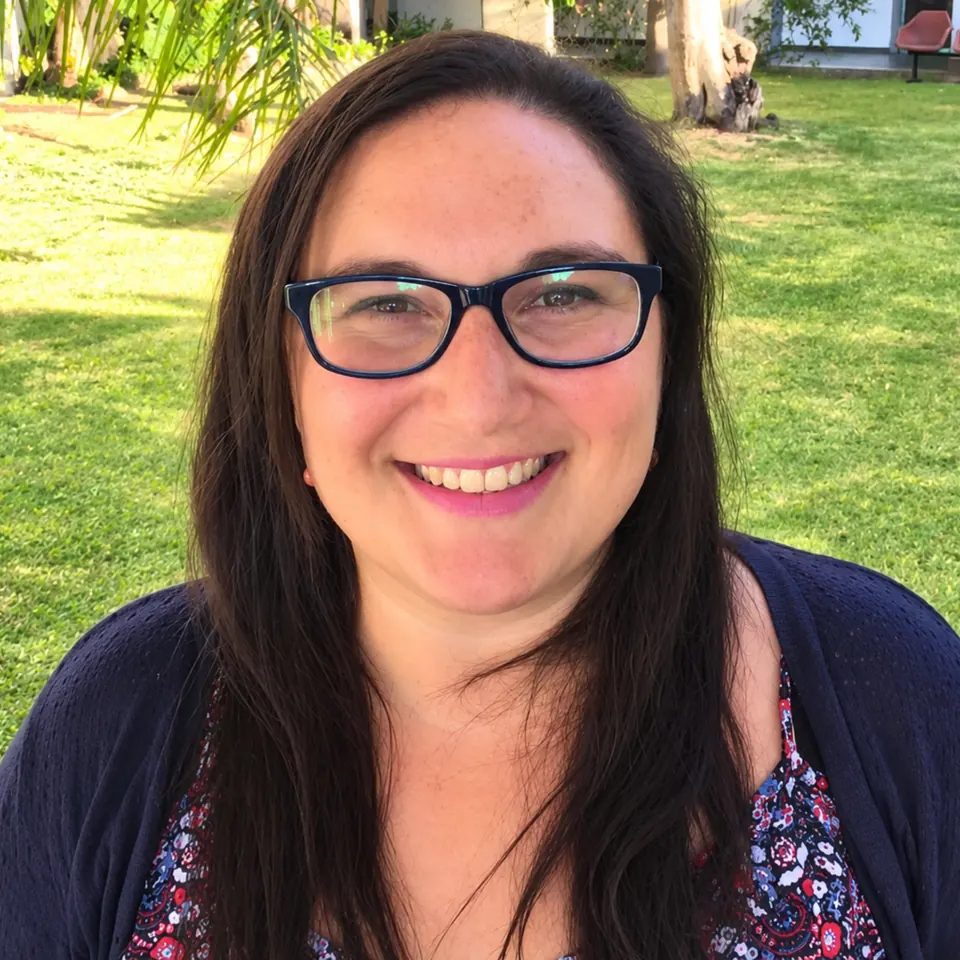
Gonzalo Gelpi
Psychology and gender studies
Universidad de la RepúblicaFaculty of Psychology
He holds a Bachelor’s degree in Psychology from Universidad de la República (Udelar), a Master’s degree in Gender, Society and Public Policy from FLACSO, and a PhD in Meanings, Theories and Practices of Education from the National University of the Littoral (Argentina). He is a professor and researcher at Udelar’s Faculty of Psychology, specializing in gender studies, sexual diversity, education, and human rights. His research focuses on gender inequalities, masculinities, and the experiences of LGBT+ individuals in educational settings, contributing to initiatives that promote inclusion, equity, and diversity.
Science, technology, and engineering
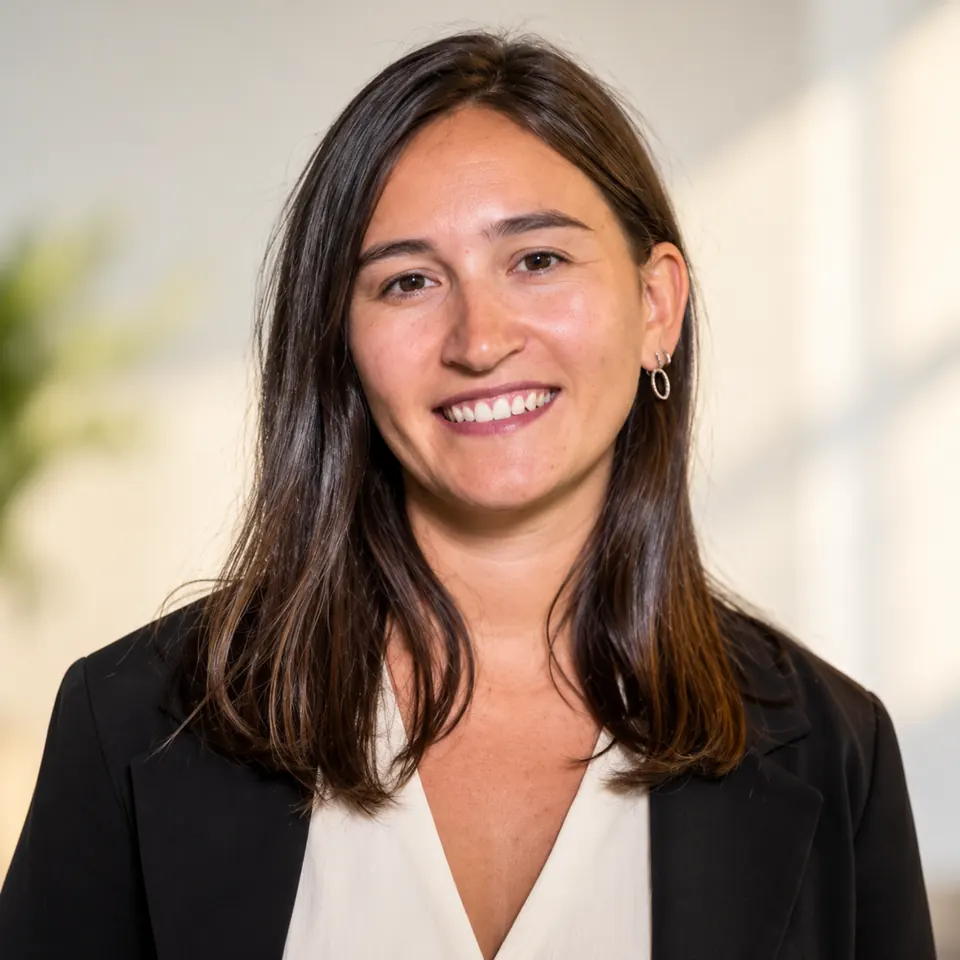
Ana Zambrana
Biochemistry and science communication
Organization for Women in Science for the Developing World (OWSD)
She holds a Bachelor’s degree in Biochemistry and a Master’s degree in Cellular and Molecular Biology and is pursuing teaching qualifications in Biological Sciences and Chemistry. A science communicator, she is President of OWSD Uruguay and a founding member of Bardo Científico. She has been featured in ¿Quiénes son ellas? by Tania Belén Fernández and Mentes en juego by Daniela Hirschfeld. She also co-created Quiero ser científica, an initiative encouraging girls to pursue science from an early age. Her work focuses on science outreach, gender equality, and promoting women’s participation in STEM.
Science, technology, and engineering
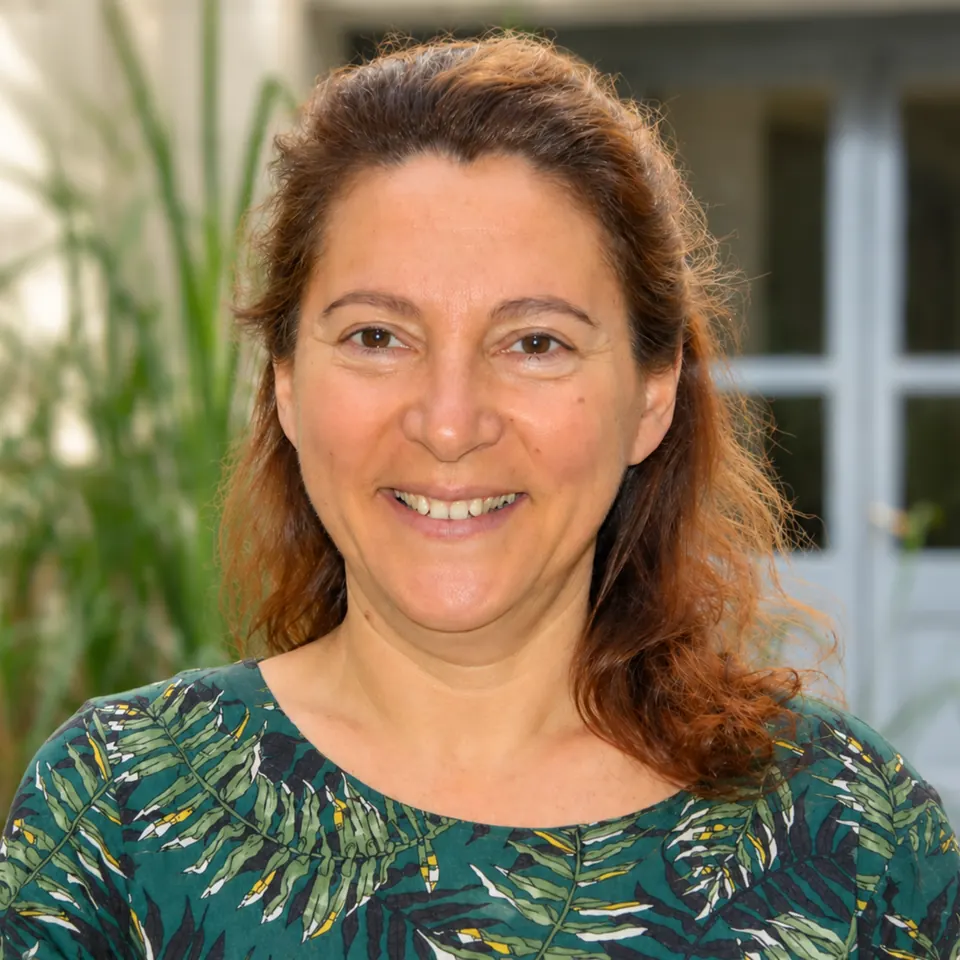
Ximena Caporale
Electrical power systems
UTEUniversidad de la República
Electrical Engineer specializing in Power Systems from Universidad de la República (Udelar). She currently serves as a Member of the Board of Directors of UTE, Uruguay’s national electricity utility, and as a Lecturer and Researcher at Udelar, focusing on power system planning and optimization. She previously worked for six years at Uruguay’s Electricity Market Administration (ADME), specializing in power system modeling, and held positions at UTE and the Municipality of Montevideo. Her career combines academic research, technical expertise, and leadership in Uruguay’s energy sector.
Social sciences and gender studies
Victoria Espasandín
Anthropology and gender policy
Open Commission for Gender Equity (CAEG)Universidad de la República
She holds a Bachelor’s degree in Anthropology from Universidad de la República (Udelar), Uruguay, and specializes in gender studies and public policies for gender equality. She is the Coordinator of the Advisory Team of Udelar’s Open Commission for Gender Equity (CAEG), where she promotes institutional policies to address gender inequalities and discrimination. Her work focuses on gender equality in higher education, fostering inclusive academic environments, and overcoming structural barriers to women’s participation in STEM.
Bring your experience to the conversation
The session encourages the exchange of experiences and diverse perspectives, with active audience participation, to identify challenges and explore strategies for creating more inclusive and equitable educational and professional environments.
- 08:50 – 09:40Montevideo time
- Sala Mario Benedetti, ANTEL Tower